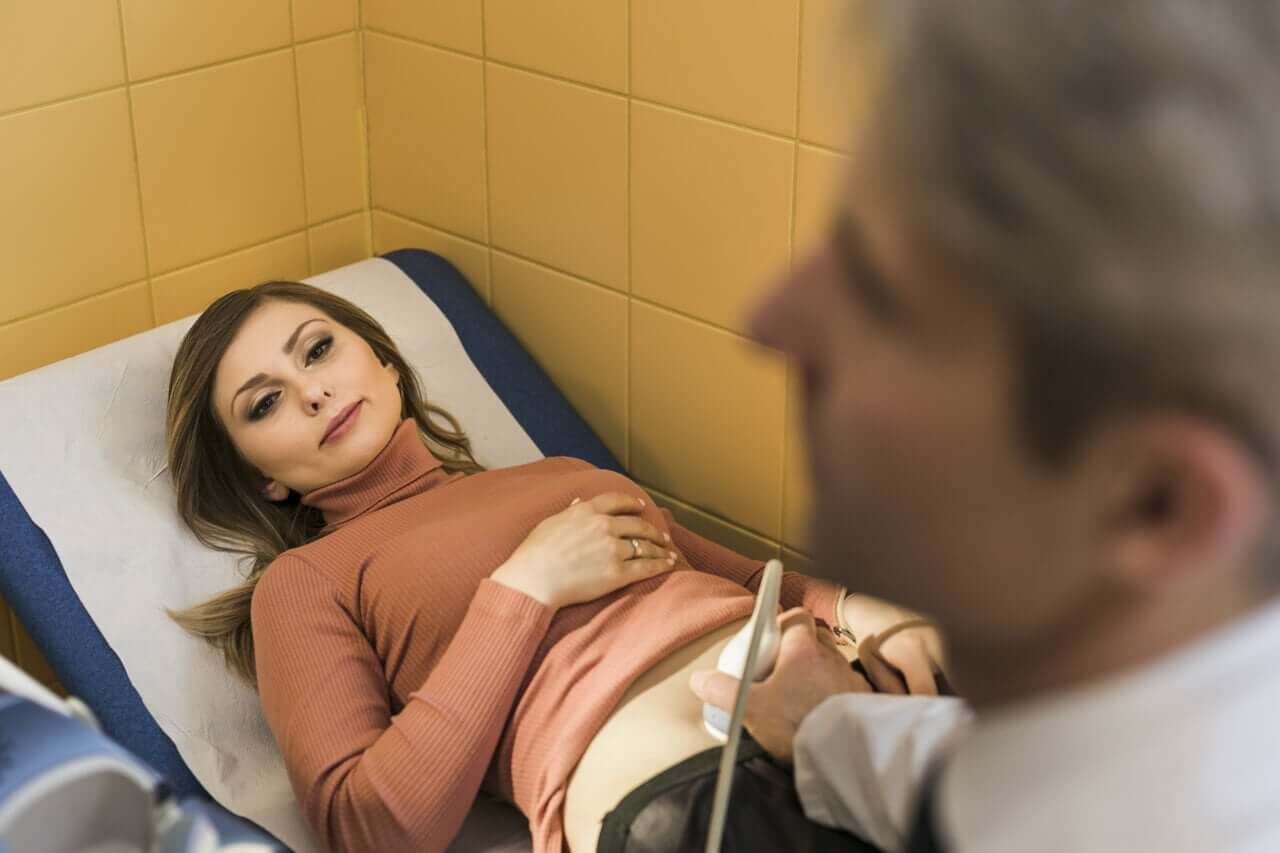
The Polish Gynaecological Society has drawn up recommendations listing the tests that are mandatory or recommended during pregnancy. These include general laboratory tests, antenatal screening, and, where necessary, in-depth antenatal diagnostics, including, amongst other things, a foetal echocardiogram. It is important that all results are monitored and interpreted by the doctor managing your pregnancy.
Your first appointment, during which your pregnancy will be confirmed and a plan for tests over the coming weeks will be drawn up, should take place between the 7th and 8th week of pregnancy.
Pregnant women choose to have their pregnancy care at INVICTA Clinics because:
We have certified experts in prenatal diagnostics
Our doctors who carry out prenatal tests are certified by the FMF – the Fetal Medicine Foundation in London
We carry out prenatal tests using equipment accredited by the FMF
We carry out biochemical tests (pregnancy-associated plasma protein A (PAPP-A) and free beta-hCG) using the COBAS biochemical analyser from Roche
We provide a team of specialists with experience in various fields
including gynaecologists, endocrinologists, geneticists and immunologists
We have our own medical diagnostic laboratories
We carry out all the necessary tests on site
We have experience in managing pregnancies
following IVF treatment, multiple pregnancies, high-risk pregnancies and pregnancies in older women
At your GP’s/midwife’s surgery:
In the laboratory:
If indicated – additionally:
Dentist:
At the GP’s/midwife’s surgery:
*If the results of the prenatal tests indicate a need, a genetic consultation is recommended.
Once 10 weeks of pregnancy have been completed, it is possible to undergo the NIFTIFY test. This is a non-invasive prenatal genetic test, which requires only a blood sample from the pregnant woman. The test analyses the baby’s DNA circulating in the mother’s blood. It enables the detection not only of the most common genetic abnormalities (e.g. Down’s syndrome), but also of all numerical abnormalities across all 23 pairs of chromosomes, including the sex chromosomes.
At the laboratory:
Dentist:
At the GP’s/midwife’s surgery:
At the laboratory:
At the GP’s/midwife’s surgery:
In the laboratory:
Dentist:
At the GP’s/midwife’s surgery:
In the laboratory:
At your GP’s/midwife’s surgery:
In the laboratory:
Dentist:
At your GP’s/midwife’s surgery: